What to check at a viewing
A practical list for the twenty minutes you get inside a rental property, covering damp, heating, water pressure, storage, noise, and the questions worth asking the agent.
4 min read · Published 16 April 2026
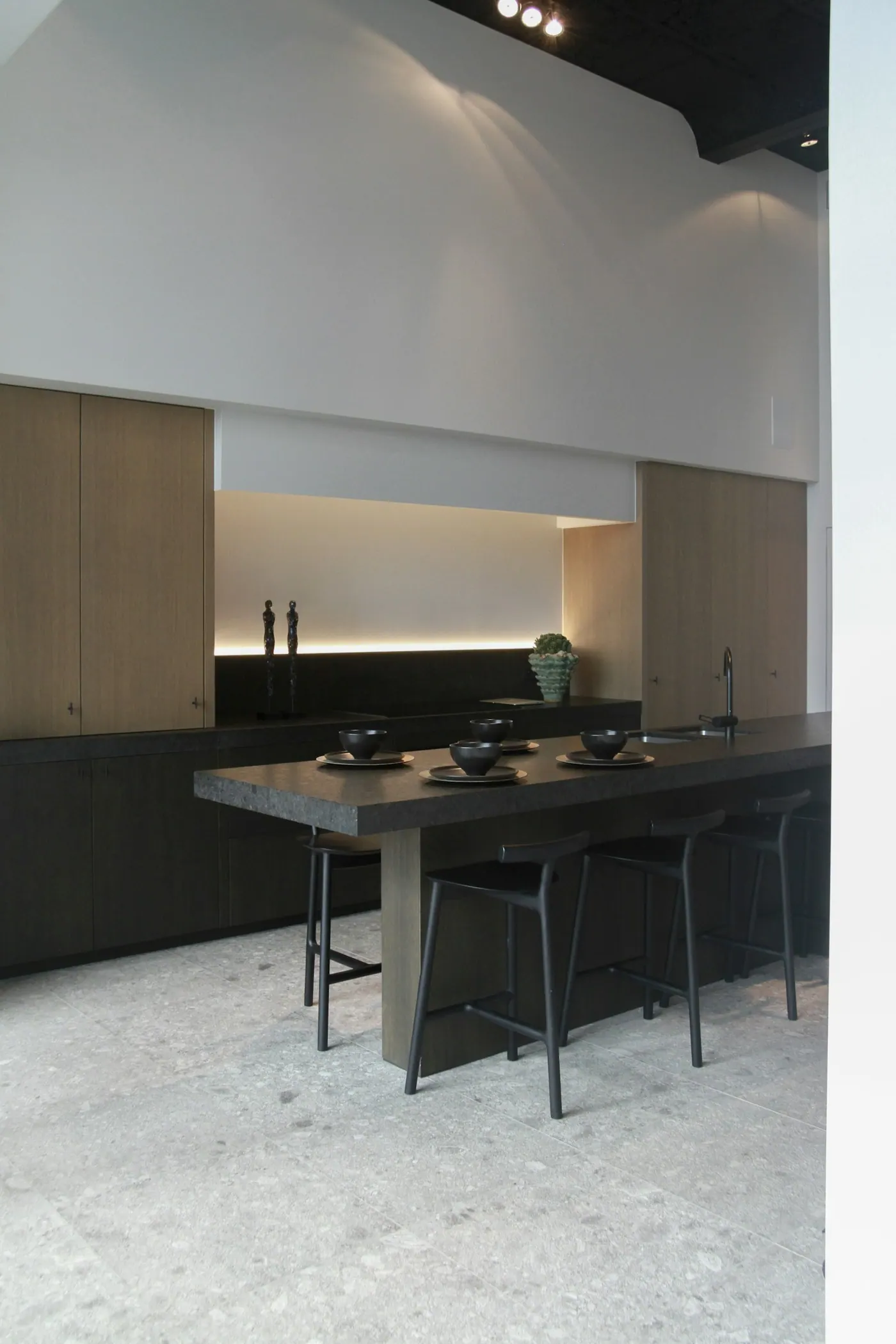
A viewing is usually short and you will be making a decision worth thousands of pounds. Go with a list, take photographs, and ask questions while you are standing in the room rather than afterwards.
Before you go
Read the advert again and write down anything it does not tell you. Note the EPC rating, the council tax band and the furnishing. Check the heating type, because an older electric system usually costs more to run than gas central heating for the same space.
Try to view in daylight. A dark flat looks very different at four in the afternoon in January than it does in a photograph taken in June.
Damp and ventilation
This is the most expensive thing to get wrong. Look at the corners of outside walls, behind furniture, under windows, around the shower and under the sink. Black spotting in the corners of a bathroom usually means poor ventilation. Tide marks low on a wall, bubbling paint or a fresh patch of paint in one spot only are all worth asking about.
Smell matters too. A musty smell in a room with the window shut is a signal.
Check whether the bathroom and kitchen have extractor fans and whether the windows open. If the property has had damp work done, ask when and what was done.
Heating, hot water and windows
Ask how old the boiler is and when it was last serviced. Look for radiators in every room, including the bathroom and the hall. Turn a tap on and see how long the hot water takes to arrive and how strong the flow is.
Look at the windows. Double glazing with misting between the panes has failed. Check that the windows open and lock, and that there are no draughts around the frames.
If the home has electric heating, ask what kind. Storage heaters, panel heaters and a heat pump behave very differently and cost very different amounts to run.
Kitchen and bathroom
Open the cupboards. Check the oven inside, not just the front. Find out which appliances are included and whether they are the landlord's responsibility to repair. Look under the sink for leaks, staining or a bucket.
In the bathroom, check the shower, the seals around the bath and the state of the grout. Flush the toilet.
Space and storage
Measure or at least pace out the rooms you care about. A double bedroom that will not take a wardrobe is a problem you live with every day.
Look for storage: cupboards, a loft hatch, a cellar, somewhere for a vacuum cleaner, somewhere for bikes and bins. In a flat, ask where the bins go and whether there is a bike store.
Noise, light and neighbours
Stand still and listen. Traffic, a pub, a railway, a lift motor, a communal door that bangs. Ask which way the main rooms face, since that decides when you get sun.
Ask who lives above, below and next door, and whether the building has had noise complaints. In a converted house, ask what is above your ceiling.
Safety and paperwork
Look for a smoke alarm on each storey and a carbon monoxide alarm in any room with a fixed combustion appliance. Ask to see the gas safety record and the electrical installation condition report, and ask when each was done. Check that windows have locks and the front door has a solid lock.
Questions worth asking
- Why are the current tenants leaving, and how long were they there?
- Who manages the property, the agent or the landlord?
- How are repairs reported, and who attends out of hours?
- Which bills am I responsible for, and is council tax included?
- Is the deposit protected, and in which scheme?
- Are pets, smoking or decorating allowed, and in writing?
- What is the parking arrangement, and does it need a permit?
- Has the property been let before, and is there a licence for it if it is a shared house?
Outside
Walk round the outside. Look at the roof line, the gutters, the state of the windows and whether the garden is maintained. Look at the street at the time of day you would be coming home and see what the parking is like.
After the viewing
Write your notes down the same day and compare properties on the same points. If you intend to apply, confirm by email what you were told about rent, bills, pets, parking and availability, so there is a written record.
For the rules on safety certificates, licensing and what agents can charge, check GOV.UK and your local council's website. This guide is general information and is not legal advice.
This guide is general information, not advice about your situation. Rules change and differ between countries in the UK, so check GOV.UK, your local council or a service like Citizens Advice or Shelter before you act on anything that matters.